
homeschool
-
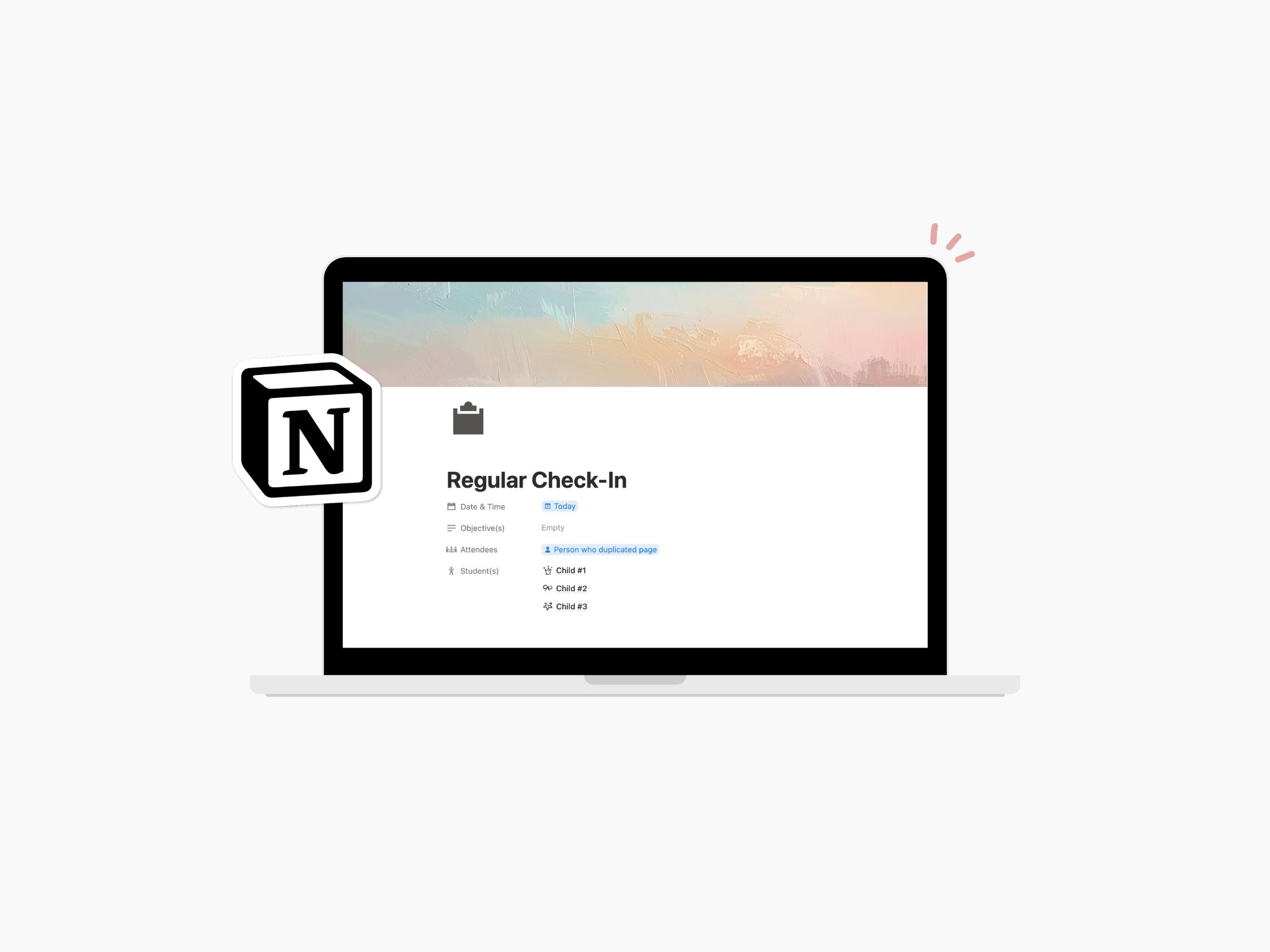
Keep thoughtful notes on progress, challenges, and growth without formal paperwork or stress.
-
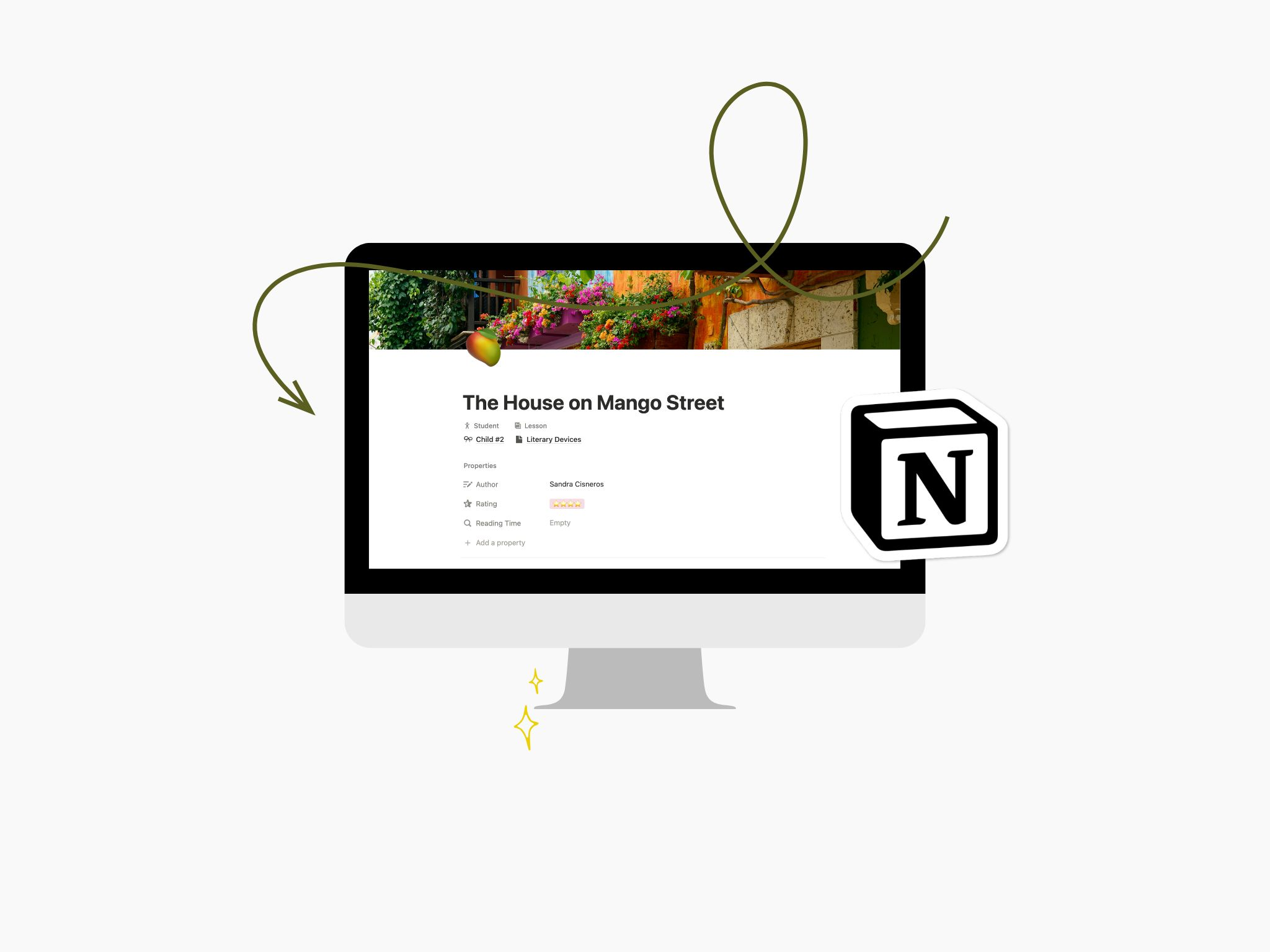
Let your student track reading in a way that supports comprehension and enjoyment — not checklists or pressure.
-
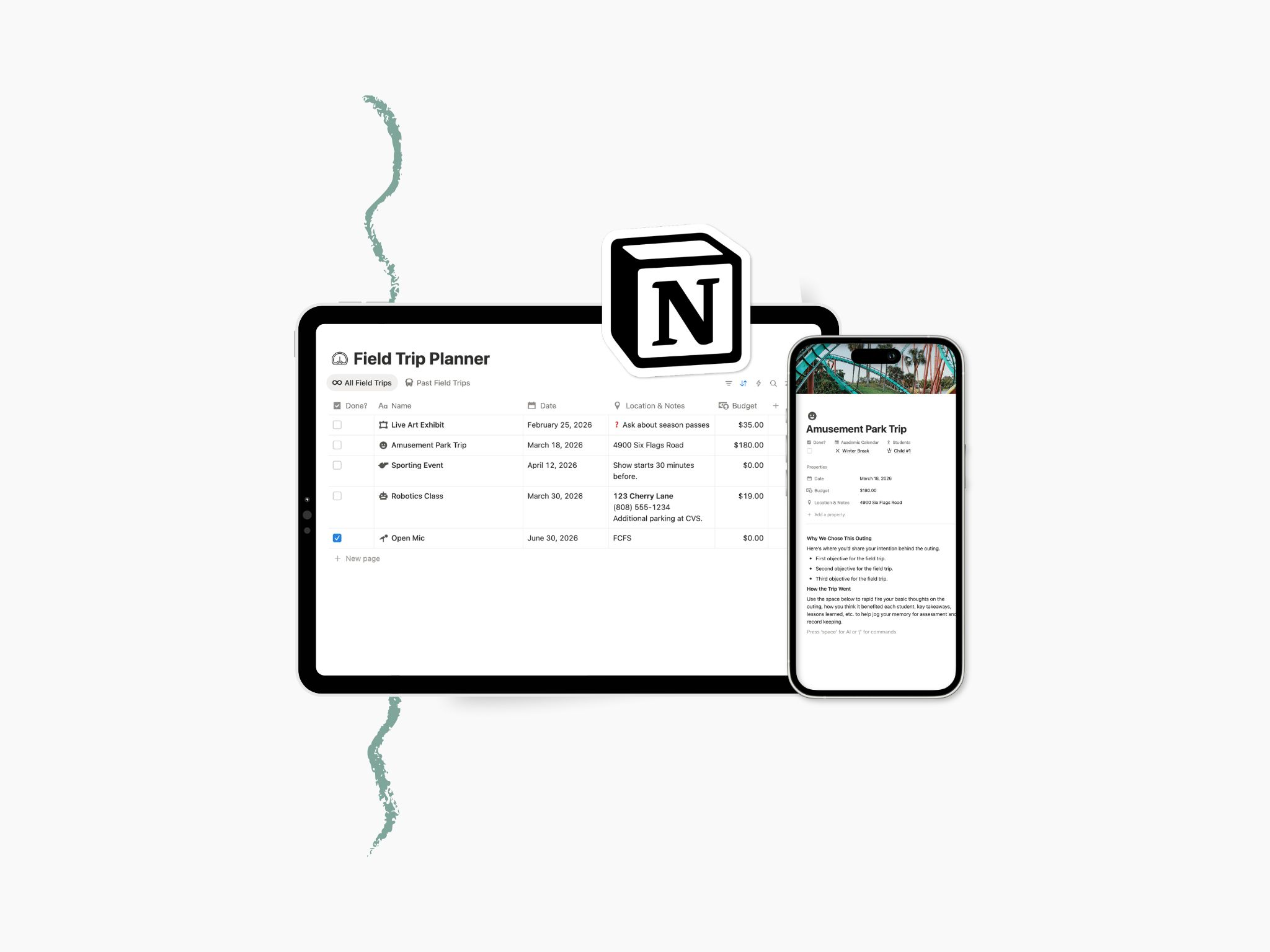
Plan and remember learning experiences beyond the table without losing ideas or momentum.
-

Organize curriculum, books, and materials in one place so you’re not hunting for what you already own.
-
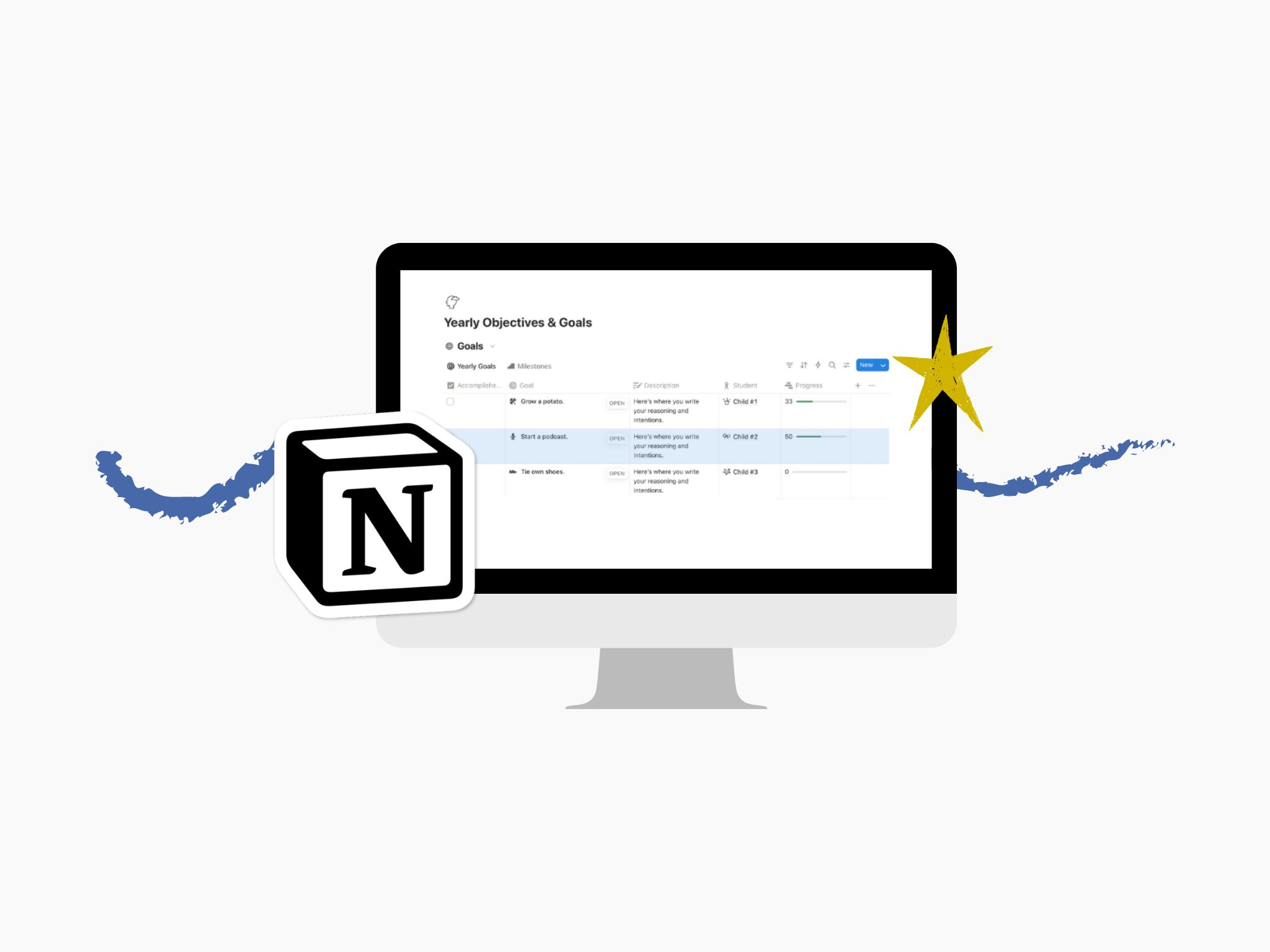
Set meaningful goals that guide your homeschool without locking you into unrealistic expectations.
-
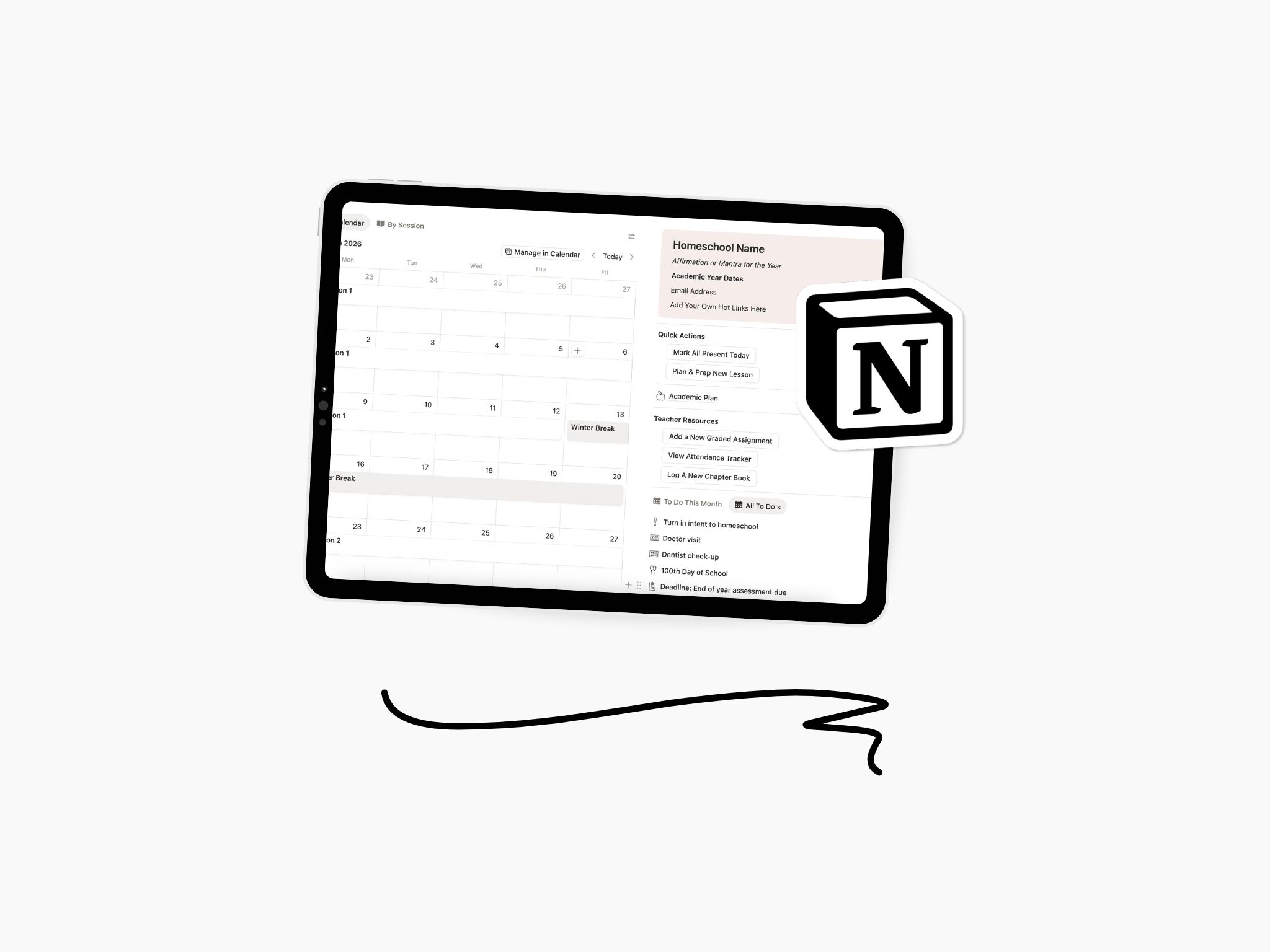
Design a homeschool year that feels structured but flexible enough for real life.