
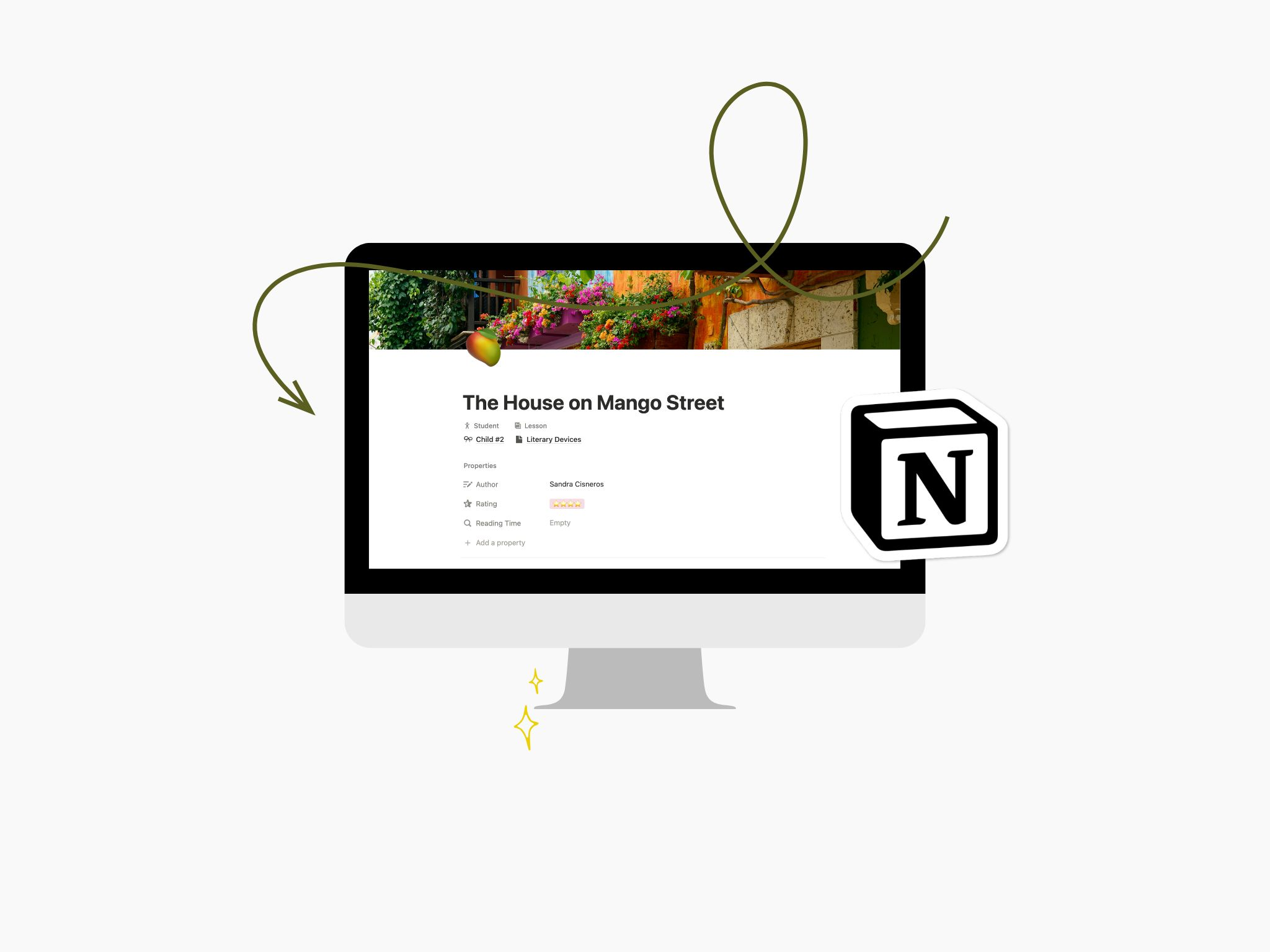
I hadn’t planned to create this setup because it felt pretty unnecessary to have at this stage. Bug just started reading chapter books on her own a couple months ago. She’s nuzzled up with a book nearly every day but I know that the things I want to track in her reading are more so for full lessons later on.
Reading aloud and independent chapter books have been some of the most meaningful parts of our homeschool. Sometimes though, I felt a pull to be doing more with this time together.
While I didn’t want reading to turn into another checklist or log requirement— I do want a way to stay connected to what we were reading and learning together.
In the past, we’d finish a story and I’d realize I couldn’t quite remember which parts stood out to my child, what confused them, or how deeply they connected with it. Critical thinking questions would come up and I’d have no way to really track Bug’s responses cleanly.
That’s what led me to build a chapter book tracker that supports connection and understanding, simply. I had not planned to share this bit of our Notion Homeschool Hub but I realized this could be a useful resource that works for homeschool parents to share with their students. It’s part reading record, part reflection space, part memory keeper.
The trouble when tracking reading
Most reading trackers focus on quantity — pizza, pages, minutes, or numbers — instead of comprehension, connection, or joy. I used to either track nothing at all or overtrack everything and burn out quickly. I even quit on the book trackers at our local libraries and pizza parlors. Either way, I lost sight of what actually mattered: which stories sparked conversations, which books built confidence, and which ones helped my kids grow as readers.
This way wasn’t telling me how the kids enjoyed the book, lessons they may have gleaned from it, or how they were connecting with the characters. Tracking minutes or pages read was not truly useful to me as their homeschool teacher.
At the same time, asking little kids (or any age kids for that matter) to summarize every chapter or answer comprehension questions can quickly drain the joy out of reading. And one of my kids seemed to specifically coil up as soon as they sensed that the reading had turned into an assignment. I wanted something in between: light structure, real reflection, and space for kids to have a voice in their reading experience.
my personal approach
Instead of trying to measure reading I simply started trying to remember it. That meant no attempts to reach page counts or certain reading times, no overly structured logs, and no pressure to even finish the book. I started keeping simple book records and leaving space for engagement, growth, and reflection.
The kids are invited into the entire process. We usually choose our read-alouds together at the library and are all equally invested in the storyline so we tend to want to read what happens next naturally.
I take my teacher notes outside of our cuddled up reading time together.
When we do have simple chapter reflections, they are interest-driven and leave room for the child to engage and share their personal favorite moments. This participatory approach has made reading feel documented—not managed.
We still are completing book reports and writing out answers to critical thinking questions. I still pull most of our weekly vocabulary words from whatever text we are currently reading. There as still spelling practices with these words too. But this tracking system has made things much more organic for our family with respect to reading and comprehension tracking.
I also keep this database linked to our lesson planner. I can always see what book we were reading that week, and directly click on it for more detail. For two years now our books have been tracked this way, and it’s working nicely. When we re-read Mathilda next time I’ll be able to look back at the things we discussed the last read and build upon them further.
What this section does (and doesn’t do)
So, here’s what you can expect from implementing this system into your homeschool Notion pages, besides tracking what’s read. This Book Tracker supports comprehension questions and gives you insight as the parent-teacher without causing unwarranted pressure on you or your student.
It’ll serve as a storage space and memory bank for both homeschool student and teacher, creating a helpful resource now and later on. It supports comprehension without compromising joy.
The Book Tracker does not measure performance or require any lengthy steps to complete for each book.
Simple setup overview
The Chapter Book Tracker at its core only needs to have space for titles, authors, notes or reflections, and a way to connect to the Student Profiles. Since each book has its own page, you’ll be able to put in your content and have it right where you need it for reference later on.
In my own Simple Homeschool Notion Hub, I treat each book as its own entry — which lets me see reading patterns over time without needing complicated tracking systems. Simply changing the database view will generally show me what I need to refer to.
- Title: Replace your Name property with this and maybe add an emoji to make it more fun.
- Author: Text property so that you can just type each entry right in here.
- Student(s): I haven’t done this this academic year but assume sometime next year we may need to. Right now all of our books are read as a family. (Bug has her recreational reading but we don’t track that as it usually does not relate to what we are learning about. Since Chunk is still learning to read I imagine we will continue this way for another school year.) But if it might be useful for you, add in a Relation property to the Student Profiles we made so that you can track each book by child reading it and vice versa.
- Reading: Completely optional if you want track how long your child is reading each book. I added a Relation to our lesson planner and had it Calculate by date range.
- Ratings: Also very optional but you might enjoy a star rating system (or simply 👍🏾 and 👎🏾) to show what you, your family, or the student thought of the book. I’d put this in as a Select property and maybe even color code it.
A few suggestions for the content of each book’s page:
- Notes of your own for setup beforehand
- Fun facts or favorite quotes
- Reflections once the book is completed
- Critical thinking or comprehension questions for the student to answer
Simple structure, real ownership. Keeping it light will make it easier to use and you can always add on properties you are finding you need later on.
Who this is for and suggested uses
In Notion, each book becomes a shared workspace — something your child can interact with directly while you still retain a big-picture view of reading patterns over time. Right now, because my kiddos are fairly new to reading, I input all of the information I will need about the book. This includes background on the setting of the story and author biographies but also holds any vocabulary words or critical thinking question I may want to highlight.
If your child is older or using computers, this could be a great place to house their chapter reviews or essay questions (and answers) in a place you both can access and leave comments.
This approach works especially well if:
- You read aloud often
- Your child enjoys writing, drawing, or reflecting on their reading
- You want to support comprehension naturally
- You value connection over completion
- You prefer conversation over worksheets
Truly, this setup is for families choosing conversation and interactive instruction.
Here’s how to Download the FREE Chapter Book Tracker
I created a student-friendly chapter book tracker you can use immediately — with space for you (or your kids) to:
- Note take by chapter
- Answer simple reflection questions
- Rate how much they enjoyed each book
It works beautifully for read-alouds, independent reading, or shared family books and requires no prep to start.
Reading doesn’t need to be measured to be meaningful — but it does deserve to be experienced and remembered.
A simple chapter book tracker gives you a way to honor the stories your children are growing through without turning reading into another task to manage. Since it’s also student-friendly, you’ll give your child a space to think, respond, and reflect on stories in their own way, while maintaining your own insights in the same space. Whether you build your own system or use one that’s already set up, the goal is the same: to support connection, deeper engagement with the text, comprehension, and a lifelong love of books.
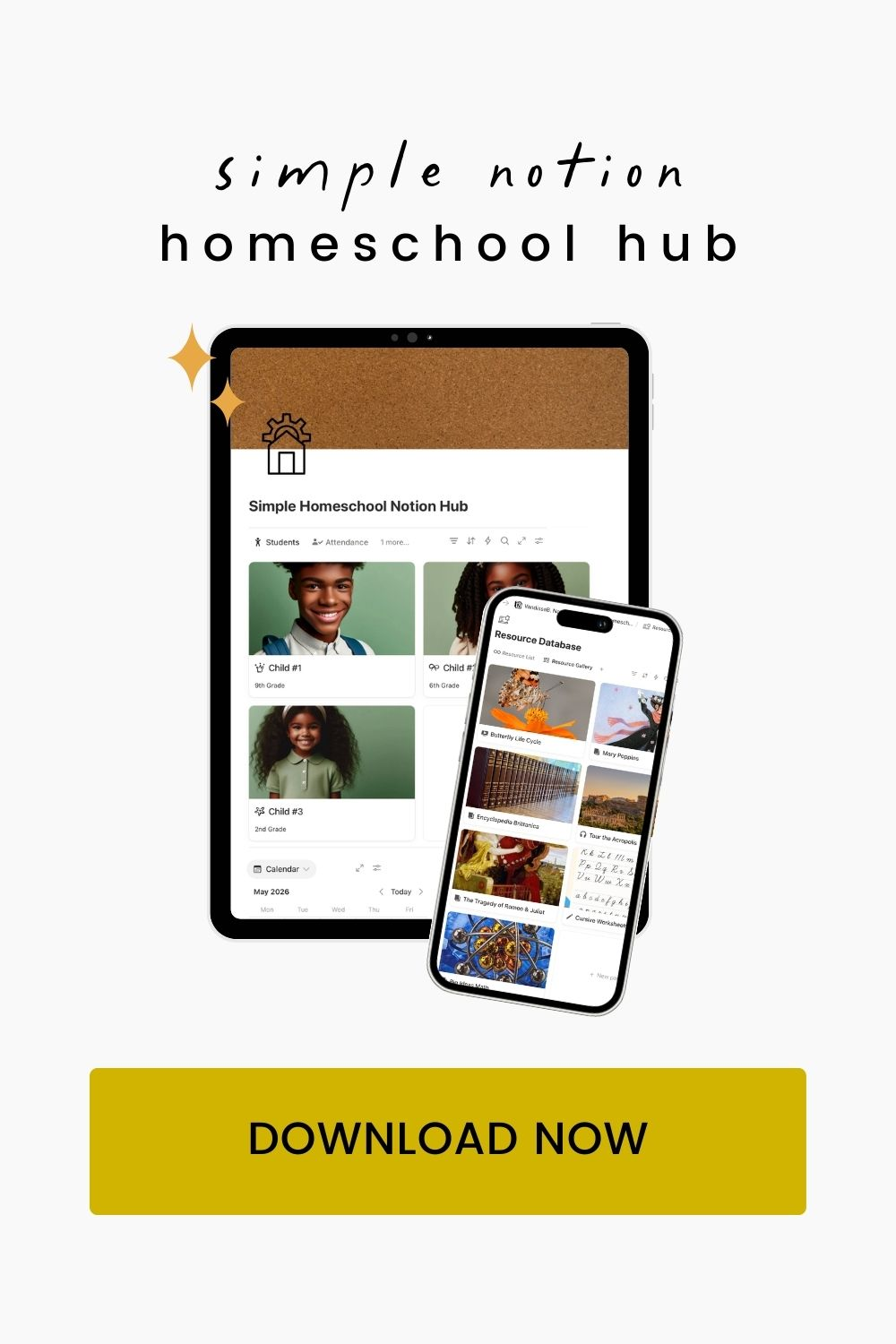
Prefer everything already connected? The Homeschool Notion Hub brings all of these pages together in one calm system.

Leave a Reply